
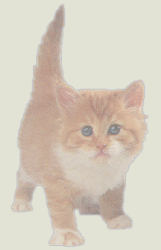
Following are some insights into what your cat is 'saying' with its tail.
1. Tail curves gently down and then up again at the tip. Cat is relaxed and all is well in his world.
2. Tail slightly raised with a soft curve. Something has peaked the cat's interest.
3. Tail is held erect but the tip is tilted over. Cat is in a friendly mood with slight reservations.
4. Tail fully erect with the tip stiffly vertical. This is a wholehearted greeting with no reservations. This is a carry-over from the kitten stage when greeting mom and inviting her to inspect the kitten's rear end.
5. Tail fully lowered and possibly tucked between hind legs. Cat is showing defeat and its lowly social status.
6. Tail lowered and fluffed out. Cat is showing active fear.
7. Tail swishing violently from side to side. Cat is not wagging its tail in joy. Often means that the cat is about to attack.
8. Tail held still, but the tip is twitching. Mild irritation. If the twitching increases a swipe from a paw may be imminent.
9. Tail is held erect and the whole length is quivering. Gentle quivering may be seen after a cat has been greeted by its human companion. Same action may be observed when urine spraying is taking place outdoors. The gesture appears to have a meaning of personal identification...yes, this is me.
10. Tail held to one side. Sexual invitation of a female cat in heat. Signal to the male that he can mount without being attacked.
11. Tail held straight and fully bristled. Signal of an aggressive cat.
12. Tail arched and bristled. A defensive stance which may indicate cat will attack if provoked further. Bristling fur makes the cat appear bigger and may deter the enemy.
What the Tail Tells

: MORE ABOUT CATS:


Cats talk with their tails - Learn what it means
Cats are capable of using over 100 vocal sounds (10 times more than dogs). Cats often use their tails to signal their mood.
Web Site Design by S&J Enterprises - Homestead Website Design
